Build a digital presence that gets discovered, trusted, and chosen. I combine Search Engine Optimization (SEO), making your pages easy for Google to find and rank, AI search optimization, getting ChatGPT and other AI assistants to describe your business correctly; websites' design and architecture, content, and automation to turn searches into enquiries.
These are my internet marketing services - SEO & AI, websites, content and automation. Most businesses buy them separately and get nine things that never talk to each other. I sequence them so each one feeds the next, and you can still buy any one on its own.
01
Website design & development
Conversion-oriented sites (built to turn visitors into calls and bookings) on a static-first stack (ready-made pages, no database to slow them down): fast, crawlable (easy for Google to read) and easy to extend. Strategy and UX (how easy the site is to use) come before pixels.
Intent research turned into a site structure, then the local work that decides whether you appear in the map pack (the three businesses Google shows on a map) in your city.
Your Google Business Profile (the free listing that shows your business on Google Maps): categories, services, photos, posts and a review routine. It is often worth more than the tenth organic result (the ordinary, unpaid search results).
GEO (generative engine optimization: being cited in AI answers) means clear facts, clean structured data (code that labels your facts for search engines) and answer-first pages, so an AI assistant can describe your business correctly. Nobody can guarantee citations; this improves the odds.
Content gets written when it earns visibility, authority, a conversion or a better-informed customer. Not by the article count.
Keyword-to-page mapService pagesFAQ
06
AI marketing automation
n8n (an automation tool that connects your apps) workflows that carry the repetitive load: drafting, routing, scheduling and notifying. Anything a customer will read passes an approval step first.
n8nReview requestsLead routing
07
Social media & content automation
A monthly plan where each post supports local visibility, proof or a service you want to sell. The publishing runs against a calendar you approve.
Content calendarReelsScheduling
08
Google Ads campaigns
Search ads buy the top of the page while SEO earns it. Worth running when you need enquiries this month, not next quarter.
Search campaignsLocal adsConversion tracking
09
Backlink strategy & digital PR
Backlinks (links to your site from other websites) are earned, not bought. Digital PR (getting mentioned in online media and directories) starts with finding where competitors are cited and you are not. Then I make you worth citing.
A website with no search visibility is a brochure. Rankings with no content have nothing to rank. Content with no measurement is a guess. Built in order, the layers compound, and automation keeps the system running without eating your week.
Each project started with how its customers search, not with a template. The cards show what was built; each case study explains why. Browse all SEO case studies
Permanent Guru: every treatment treated as its own search market
Permanent Guru is a one-specialist permanent makeup studio in Poznań. Instead of a single price list, every treatment got its own page, written the way people in Poznań actually search for it. The questions clients used to ask by Instagram message are now answered on the page itself.
The website, the Google Business Profile and the review workflow were built as one loop. Each new customer makes the next one easier to reach.
Reviewed monthly. A number reaches this page only once the analytics account can back it.
"Working with Alena helped me explain what Permanent Guru actually does, and what makes each treatment different. She took the time to understand how I work, and turned that into content that sounds like me rather than like an advert. What I value most is her eye for detail, and how much care she put into getting my voice right."
Iryna Malaniak · Permanent Guru, Poznań
04 - How I work
Eight steps, then it loops
Every project runs through the same eight steps. The first four happen once; the last four repeat every month.
01
Discover
Your services, margins, customers, and what a good enquiry actually looks like.
02
Research
Demand, intent, competitors, and the local search results you actually compete in.
03
Strategy
Architecture, priorities, sequence, and what we deliberately skip.
04
Build
Website, pages, technical foundations, and tracking from day one.
05
Optimize
On-page work, internal links, local signals, speed and conversion paths.
06
Automate
The repeating parts move into workflows, with approvals.
07
Measure
Calls, forms, bookings and visibility, reviewed monthly.
08
Improve
The next quarter is decided by the data, not by a retainer template.
Analytics & conversion tracking
I measure business actions, not just traffic
Traffic charts are easy to celebrate and easy to game. Every project is set up to answer one question: did more of the right people contact you? I track it in GA4 (Google Analytics, which counts visits and actions) and Search Console (Google's report on how your site appears in search).
GA4 eventsSearch ConsoleGoogle Business performancePhone callsForm submissionsBooking clicksDirection requestsMonthly review
05 - How the work gets made
AI does the volume. I do the judgment.
I use AI for research and production at scale. Every decision and every published word stays with a person.
Accelerated by AI
Keyword, SERP and competitor research at scale
Clustering intent into a page architecture
First drafts, outlines and content repurposing
Review reply drafts and FAQ answers
Scheduling, routing, reporting, notifications
Stays human
Strategy, and what we choose not to do
Brand voice and every published word
Anything a customer reads with your name on it
Design decisions and quality control
Reading the numbers and deciding the next move
Every automation that touches a customer has an approval step in front of it. Nothing goes out under your brand that a human has not read.
06 - Questions
Questions people ask before they write
What does an SEO specialist do for a small business?
An SEO specialist finds out how your customers search, then builds or fixes the pages that answer those searches. I also set up your Google Business Profile and keep the site technically clean. Then I measure calls, forms and bookings, and improve what does not work.
How much does SEO or a website cost?
Prices are public and in euros, net. A website of up to 4 pages is €500, and up to 10 pages is €800. Every website package includes SEO work, Google Business Profile setup and a blog. If you already have a site, an SEO strategy is €300 one-off, and ongoing monthly support is €250-300. The website cost calculator gives you a range for your project.
What is AI SEO, and can you get my business into ChatGPT?
AI SEO, also called GEO, is the work of making your business easy for AI assistants to understand and describe. That means clear facts, structured data and pages that answer questions directly. Nobody can guarantee that ChatGPT will recommend you; this work improves the odds. More on the AI SEO service page.
Do you only work with businesses in Poznań?
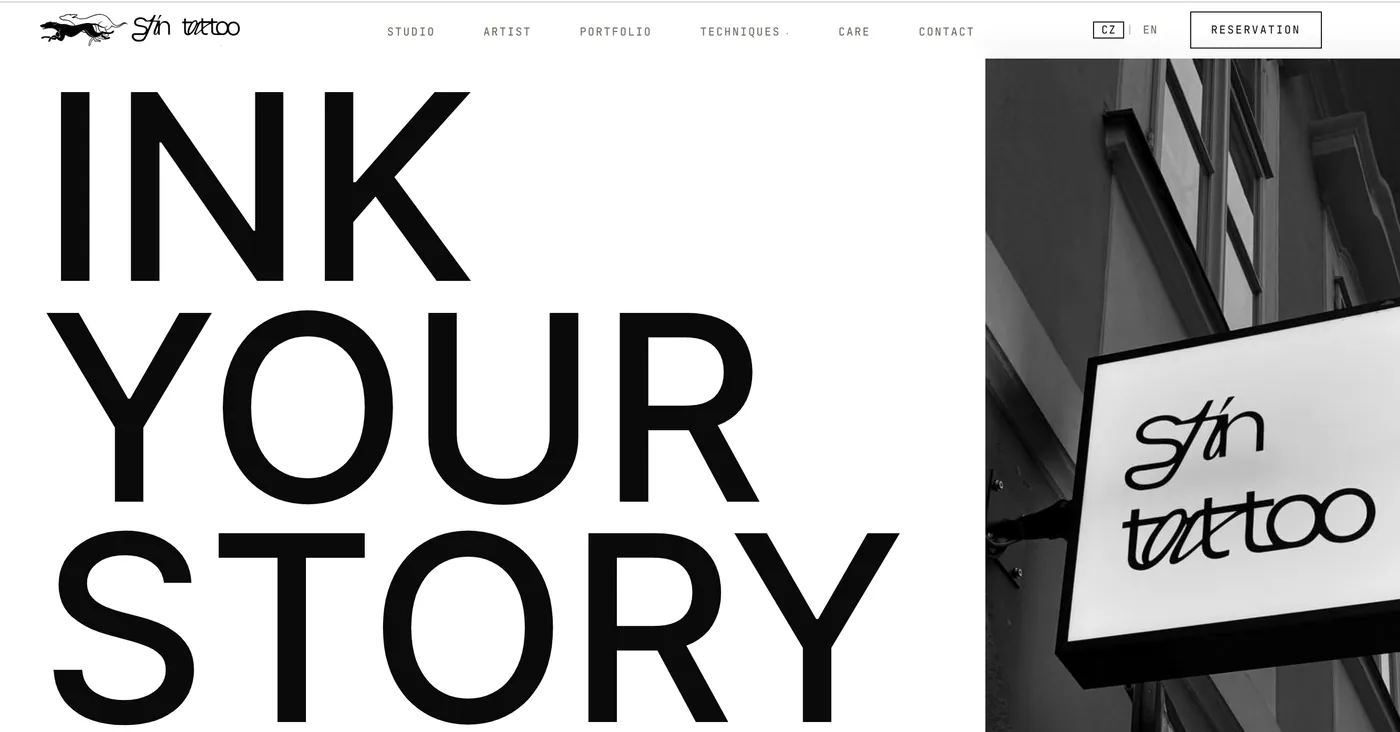
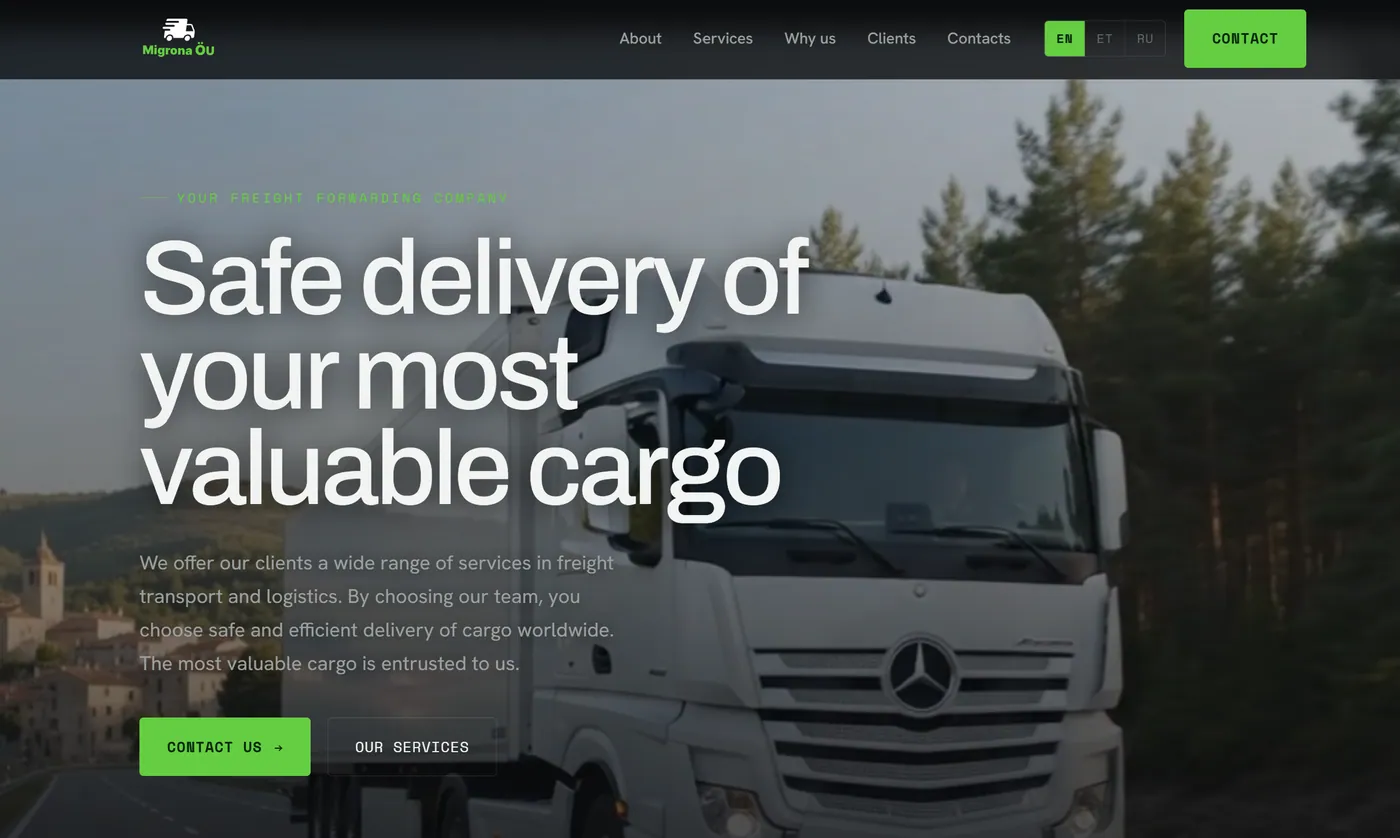
No. I am based in Poznań, and clients include studios in Prague and a freight company in Tallinn. Local SEO works the same way in any city: it starts with research into how people search there.
Why one person and not an agency?
The person who researches your market also writes the strategy, builds the site and reads the numbers three months later. Nothing gets lost between an account manager and a junior. The limit is capacity: I take on a small number of projects at a time.
Do I have to sign up for a monthly retainer?
No. Most projects are one-off: a website or a specific service. A monthly plan only makes sense if you want content, links and ads to keep working every month.
07 - About the studio
One specialist. Modern tools. No agency layers.
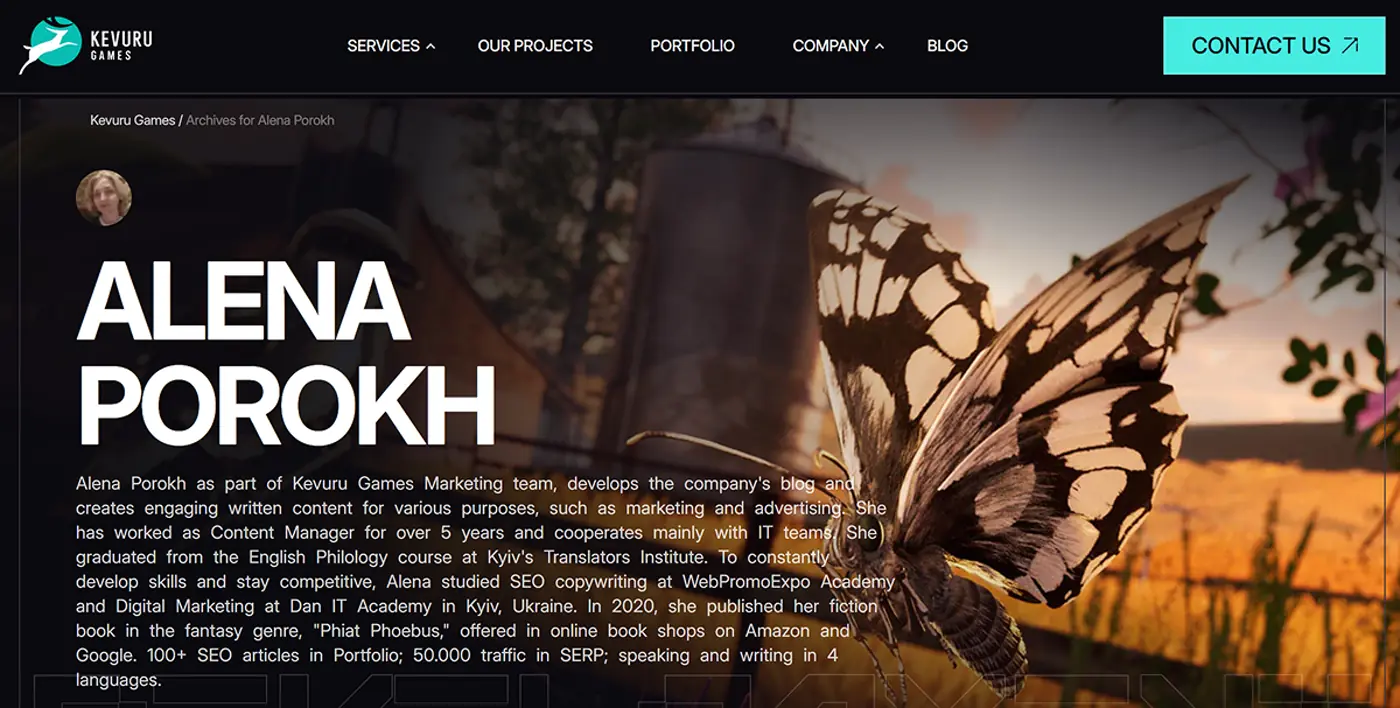
imarket2web is founder-led and deliberately small. Alena Porokh researches your market, writes the strategy, builds the site and reads the numbers three months later. Before starting the studio, she spent five years as an SEO content manager in software and game development.
That is a real constraint: I take on a limited number of projects at a time. It is also why nothing gets lost between people.
You talk to the person doing the work. No brief lost in translation.
Strategy and execution stay connected
The plan is written by whoever has to make it work.
A lean operating model
Your budget goes into the work, not into overhead.
AI-assisted workflows
Research and production run at a scale a solo studio could not reach five years ago.
Flexible collaboration
A one-off build, an ongoing growth system, or support alongside your own team.
Start with a free SEO audit
Tell me what you sell, where your customers are, and what is not working. You get an honest read on what to build first, and what is not worth building at all.